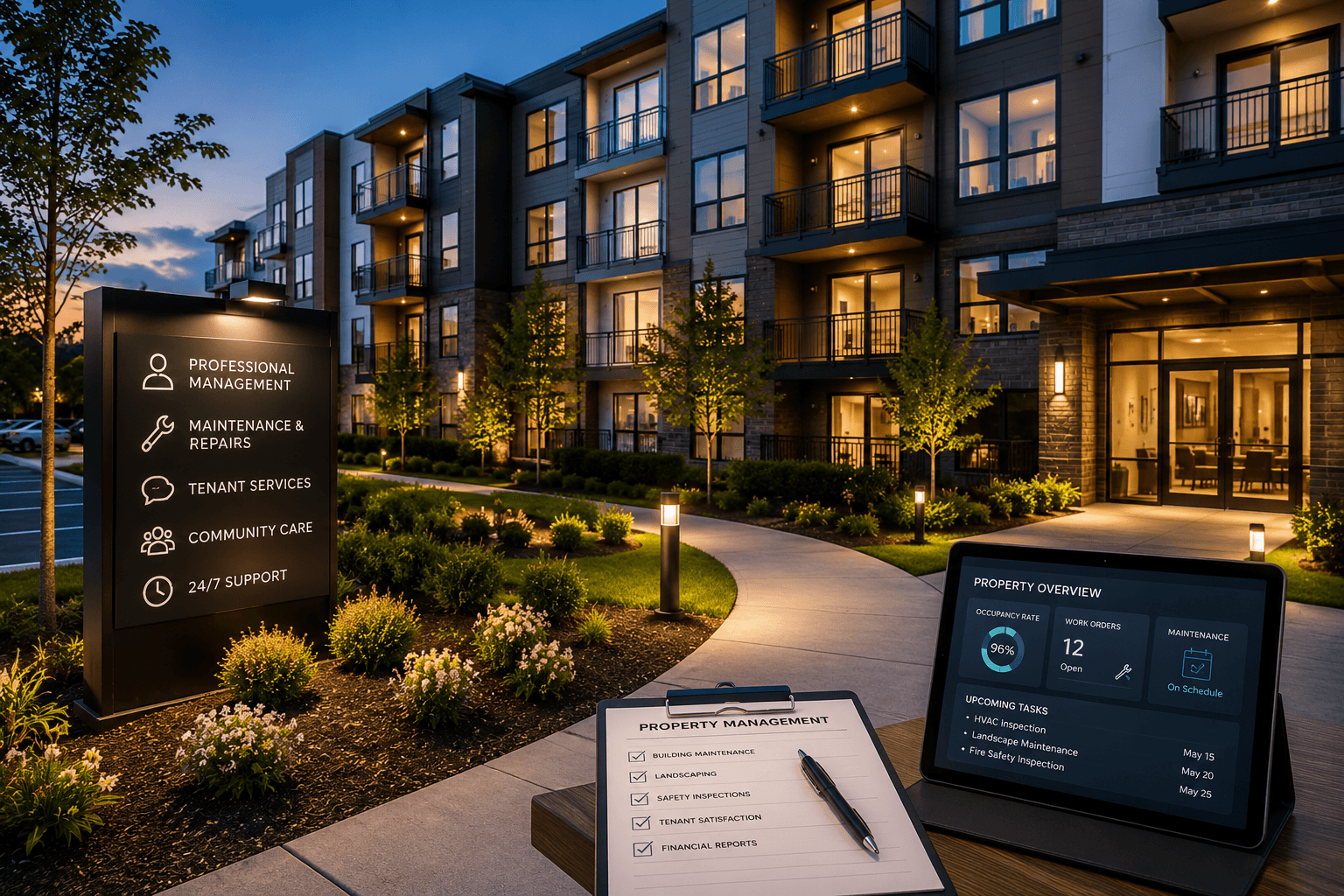
The typical property-management stack has a CRM for owners, a separate work-order system for vendors, a tenant-comms platform that sends rent reminders, a leasing tool for new units, and a spreadsheet someone in the office uses to keep it all straight. Nothing talks to anything. The team becomes the integration layer.
The day-to-day evidence shows up everywhere: a maintenance ticket entered in the property-management system that the vendor only learns about through a follow-up text, a lease renewal tracked in a separate spreadsheet while the tenant portal still says 'current,' and a move-in/move-out inspection that exists only as photos in a property manager's camera roll.
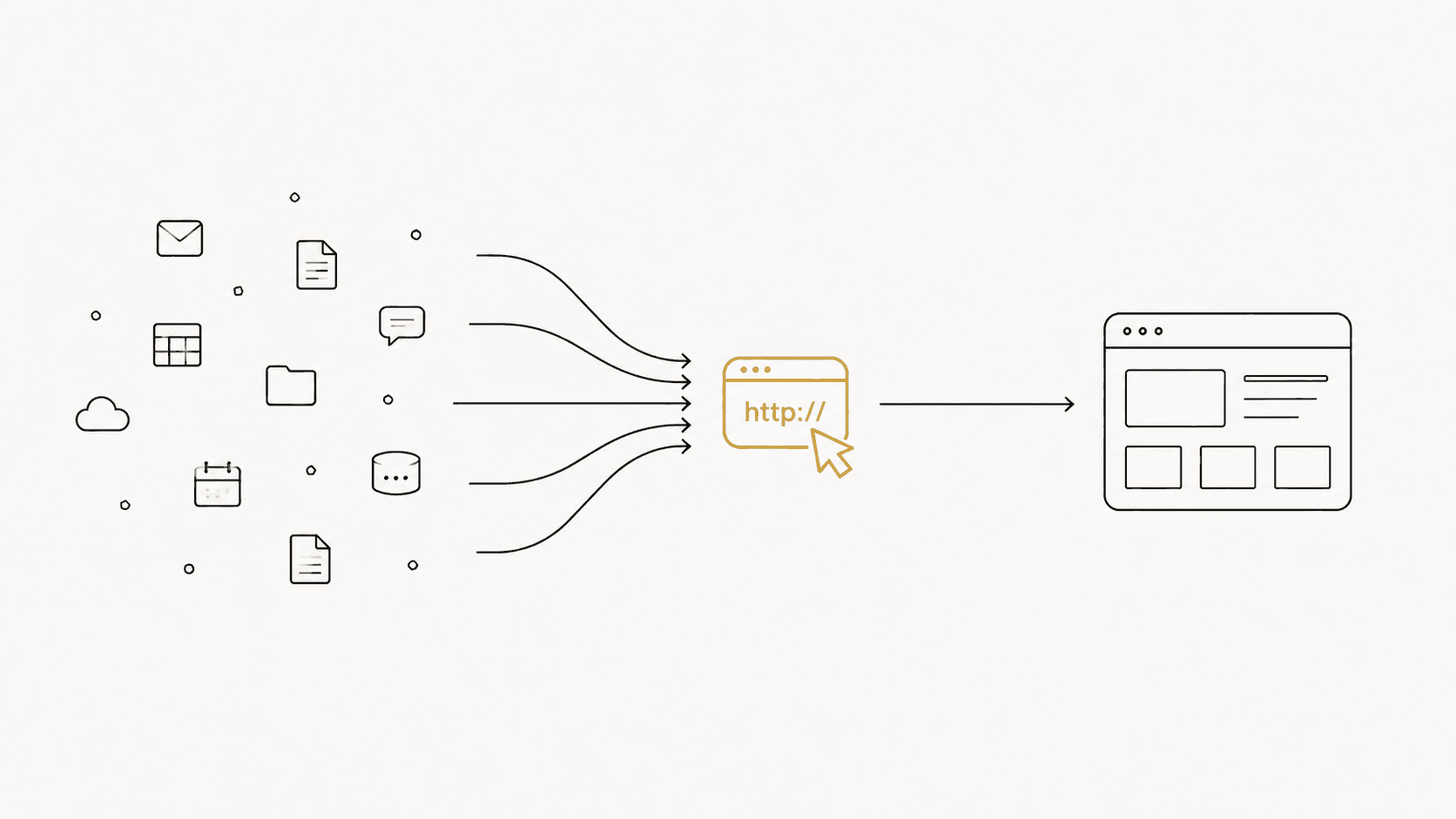
Consolidating doesn't always mean ripping things out. Often the move is to put a thin coordination layer on top (a shared portal, a unified status view, a single notification source) that pulls just enough data from each system to remove the manual reconciliation. The legacy tools stay. The team stops having to be the glue.